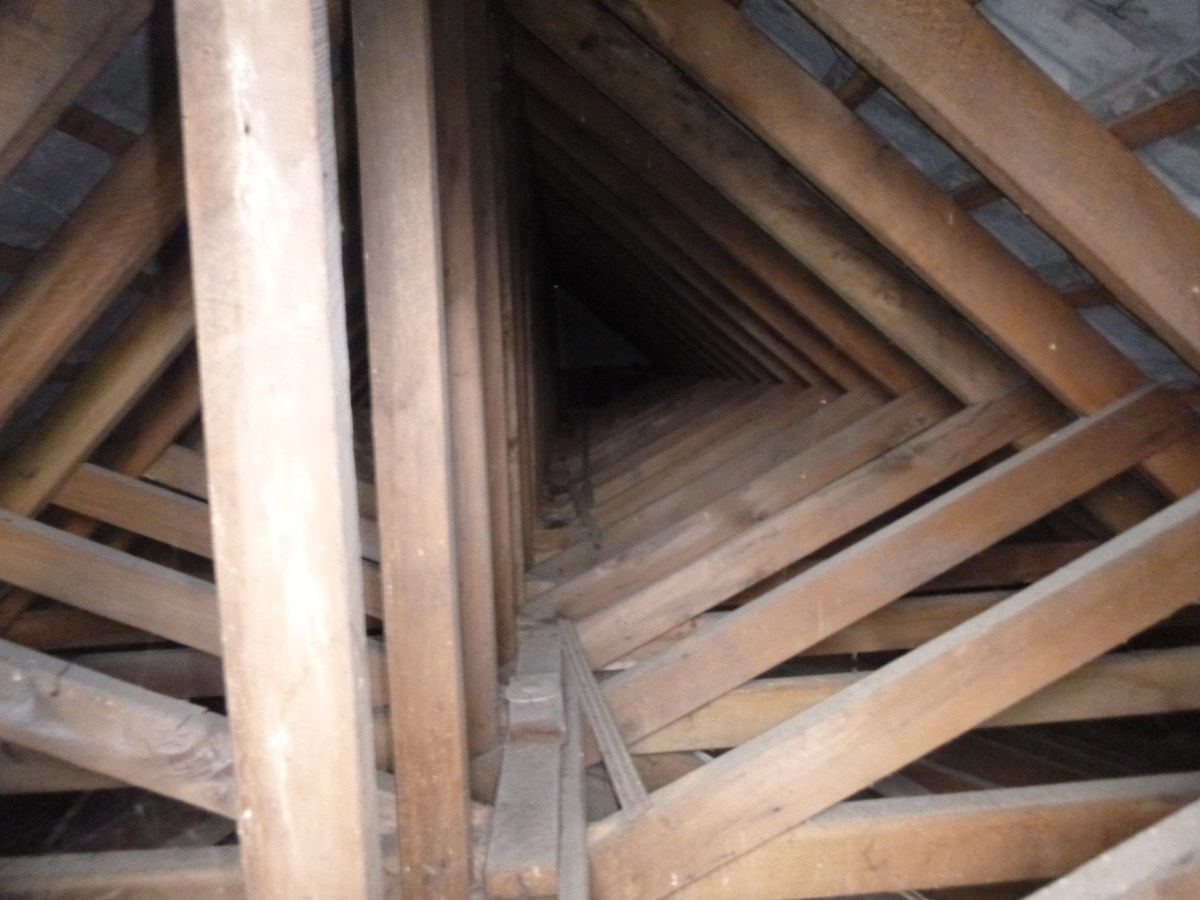
This photo of my roof ‘scissor’ trusses shows the underneath of the post-WW2 concrete tiles and the complete absence of insulation or a moisture barrier. The strong winds associated with the March 1918 fires nearby pushed the original building over and removed the roof! I wonder if the random bits of wood lying alongside the king posts are still good?
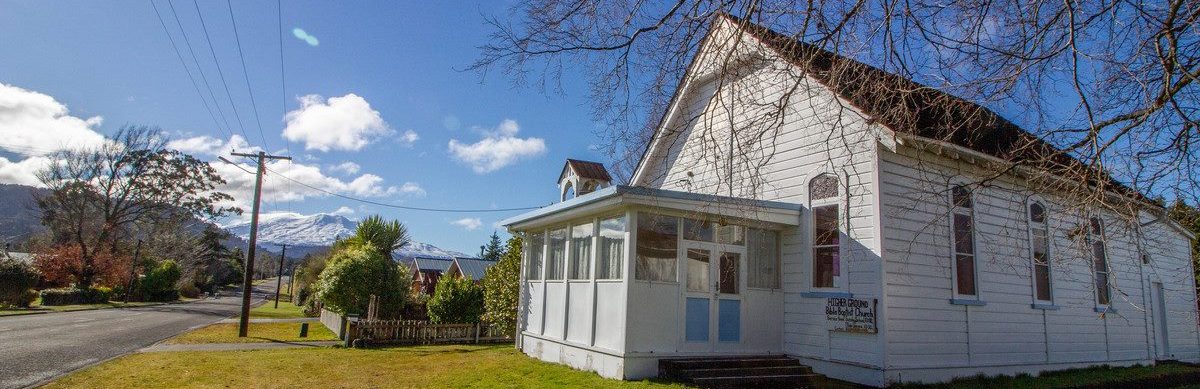
The construction industry works like many others – it goes through periods of boom and bust. It was the final years of the first World War at the time my church was being built. Market gardening and milling native trees were the key industries – it’s hard to gauge if there were labour shortages in the area caused by the war. I’m hoping some historical research I’m conducting next month will reveal more about how the church was funded and built.
I grew up in an immediate and extended family involved in the construction trades. Most of them worked on new-builds or in commercial construction. I learned that competent trades professionals are more likely to survive bust cycles, and you’re more likely to get shoddy work or tradies doing ‘foreign orders’ in boom cycles.
I also learned that there are two methods of charging – colloquially known as ‘do and charge’ or ‘job and knock’. The former is paying for all hours worked, the latter is paying for work as quoted regardless of how long it takes.
I went overseas in 1985 when the industrial landscape was one of paying for all hours worked. It changed whilst I was overseas, and I returned in 1993 to a more competitive environment. Unfortunately that competitive environment has seen a lot of price undercutting in order to secure work. I’ve observed family members losing money on jobs they sub-contracted to as the main contractor went bust.
I’m fortunate as a self-employed contractor to be paid for the hours I work. I believe that I should respect the trades professionals I engage by paying them for the work they do. I know that there will always be some ‘surprises’ with an old building, and I don’t want to compromise the quality of the work.
Every project is subject to time, cost and quality constraints. I would prefer that tradespeople under-promised and over-delivered than the other way around!
Next time: Mostly old, sometimes new, occasionally borrowed, never blue (or black)
 theoldkirknz.blog