And there was light

In the beginning God created the heaven and the earth.
And the earth was without form, and void; and darkness was upon the face of the deep. And the Spirit of God moved upon the face of the waters.
And God said, Let there be light: and there was light.
And God saw the light, and it was good; and God divided the light from the darkness.  (Genesis 1:3)

One of the challenges I have with my conversion is getting enough light into the kitchenette area.  Very early on I’d decided to position the doorway to the shower room opposite the sash window.  At 2000mm x 1000mm it would let in a bit of light when the door was open – but when it was closed, not so much.

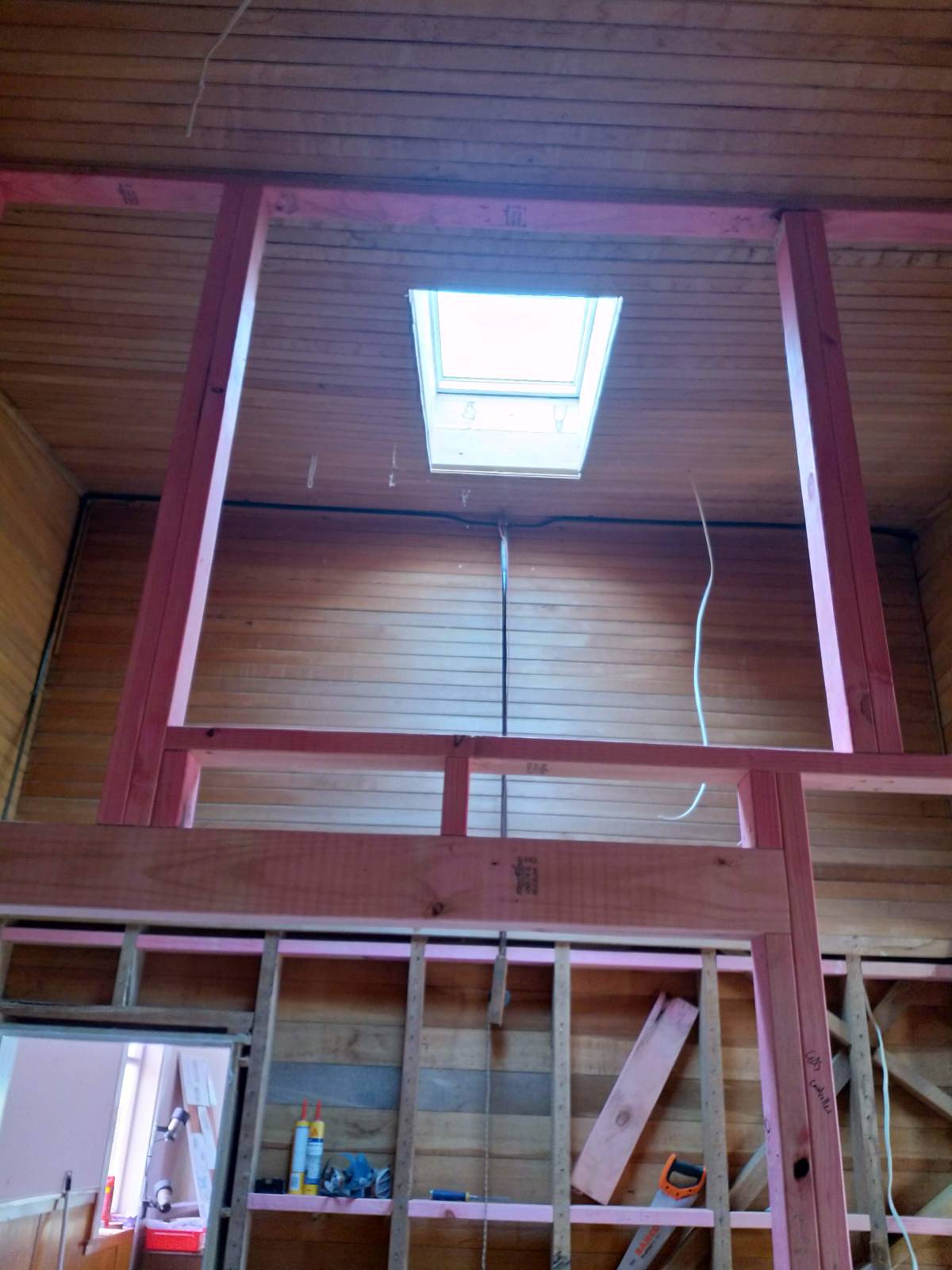
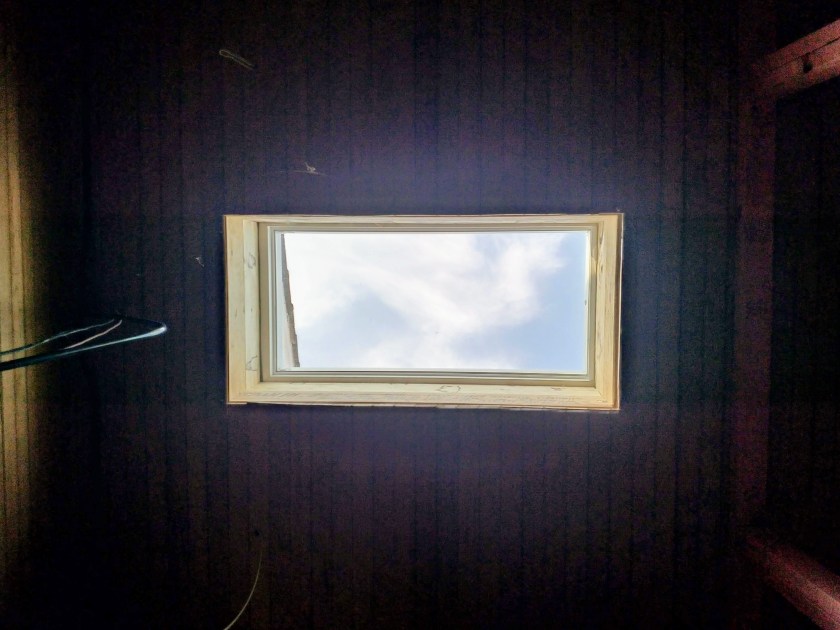
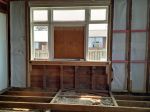
A roof window would provide light and ventilation, so my original brief specified a roof window adjacent to the existing partition wall.  I then realised that it would be better to centre it in the space so that it would throw the light in equal amounts.  The photo above shows the roof window installed, with the door lintel and wall framing below.  At 4m high, it’s powered by a solar panel for easy opening and closing.

I was still concerned about the amount of light I’d get into the kitchenette, especially since the lower sash in the shower room will have a mirror finish.  I’ve decided to install a pane of glass above the doorway to borrow more light from the upper sash window into the kitchenette.  Hopefully that will do the trick!

33 - Old roof
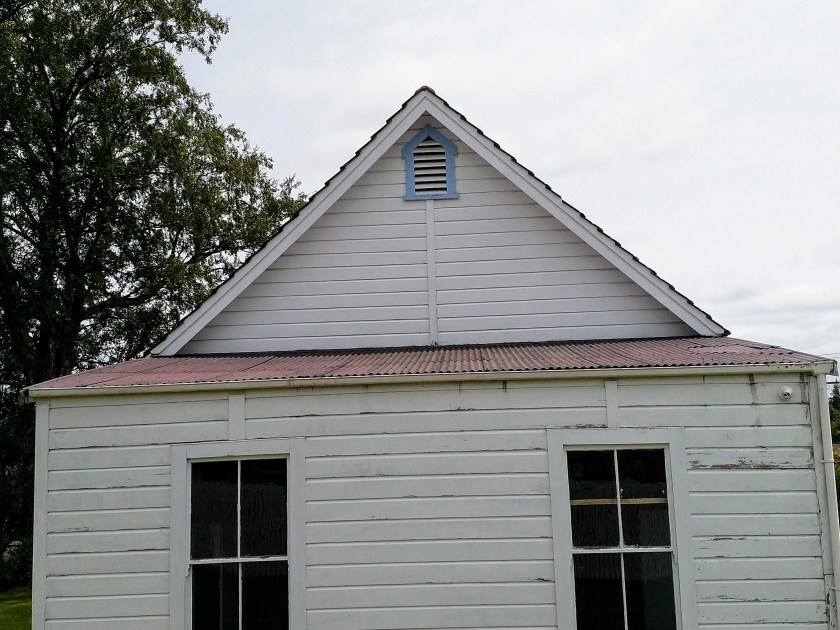
The old roof.
33 - Roof window from above
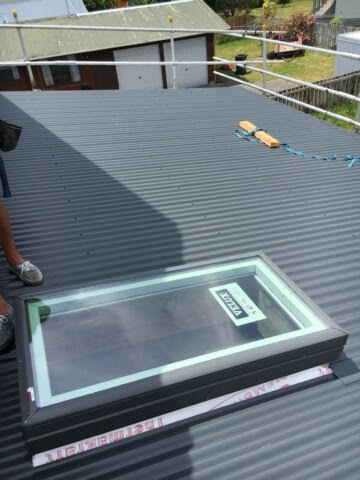
The new roof post new rafters, purlins, insulation, underlay and ‘True Oak’ corrugate in ‘Grey Friars’ showing the roof window
33 - Roof window to sky
The view from below

Next time:  Eat, read, sleep

Cookin’ up a storm

You may recall in an earlier post I outlined my planned layout for the kitchenette.  Well not much has changed since then, although I’ve made some other design decisions.

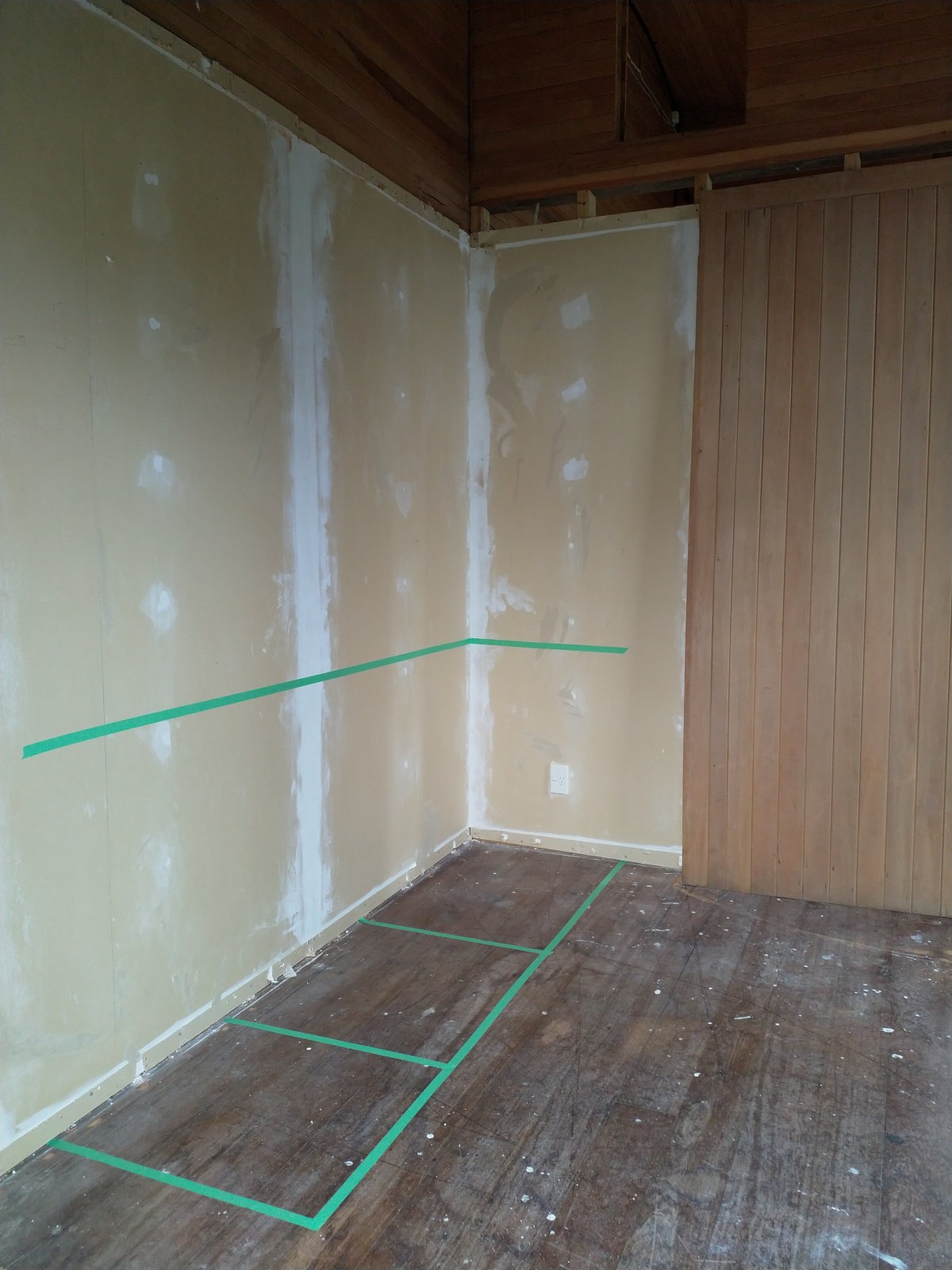
It wasn’t until I set up and used the ‘construction kitchen’ that I realised that I hadn’t allowed for enough power points in the kitchenette.  I’m trying to have a minimalist kitchen, but the basic appliances alone needed four power points, so I’ve doubled-down and am planning for eight, plus one under the bench for the washer-dryer.

Council requires an extractor fan in the kitchenette.  Originally drawn in the external wall over 3m from the bench-top oven, I’ve relocated it to the wall above where the oven will be.  Ducting will take the exhaust out through the wall and under the nave floor.  Hopefully that will mean that the fumes will exit the area without setting off the smoke detector!

31 - Kitchenette plumbed and wired
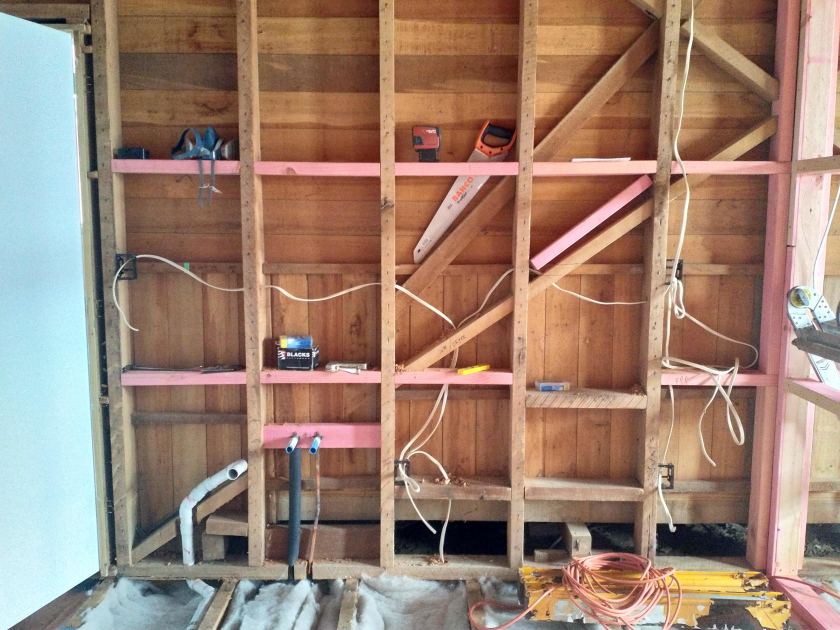
The kitchenette area plumbed-in and (almost) wired up – note the sub-floor insulation which is recycled wool

I managed to get a good discount on the washer-dryer I wanted in the Boxing Day sales.  It operates on separate feeds for hot and cold water, and the condenser-dryer will drain out via the sink.  That should cut down on the humidity levels and power bills!

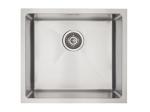
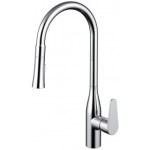
One of the decisions I had to make was the dimensions of the sink and the thickness of the bench as it affected the plumbing set-out.  I wanted a sink that would work as a kitchen sink in phase one, and a laundry sink in phase two.  Fortunately the supplier I’d scouted in 2019 had a comprehensive online catalogue, and wide range available.

Next time:  Just one look, that’s all it took!

What lies beneath……

The title of this blog is a take on the 2000 supernatural horror movie directed by Robert Zemeckis starring Harrison Ford and Michelle Pfeiffer.  It’s not a film genre I watch, but it accurately reflects the horrors than can lie beneath a 100 year old building.

Because I wasn’t lifting the building until phase two, I’d tasked my builder with lifting the assortment of floorboards in the vestry so that the plumber could install the pipework and he could install the sub-floor insulation.  The intention was to re-lay the floorboards, patch the hole in the nave floor, use the good boards in areas that would be on show, and hide the all-sorts under cabinets and furniture.

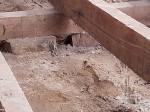
Unfortunately the 100+ year old boards turned out to be quite brittle, and there were a few casualties.  What also became apparent was that there were more than just a couple of floorboards missing from the nave floor – it had been completely restructured.

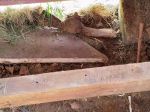
30 - Restructured nave floor2As this close-up shows, there were new bearers and floor joists inserted under the nave platform, with the piles under the platform higher than the piles under the rest of the nave and vestry.  They’d cut away some of the end wall to insert the bearers, packing them up with bits of floorboard and other random bits of wood.

So between the brittle, fractured floorboards and the big hole in the nave floor, I made the decision to replace the floorboards in the vestry.  I’d use the salvaged floorboards to patch the hole in the nave floor when I re-piled the church.

The next challenge was to find a floor that I’d be able to tolerate from a smell and aesthetic perspective.  The only suitable wood alternative was bamboo, which you can’t use in wet areas such as bathrooms and laundries……………..

A quick search on TradeMe identified Kersten Building Recyclers & Joinery who were able to run recycled matai floorboards to the specified width and thickness.  Order placed, they assured me they’d be able to get them delivered quickly so that they could be laid as soon as the pipe-out was completed.  Another unplanned bit of expenditure that’s going to hit my finances!

Other random finds included the 1974 concrete piles next to the original totara piles.  The bearers had been attached to the totara piles, but not the concrete ones.  We also found the original foundations for the fireplace hearth which the builder would dig out.  Strangest of all was a rusty cutter mattock next to a random weatherboard.

Next time:  Cookin’ up a storm

The countdown begins

This is what a site office looks like when it’s waiting for the works to begin.  It’s been a long time coming, but work is about to get underway!

It’s been a few months since I wrote about the trials and tribulations of finding a builder.  Getting building consent approved for a change of use was starting to seem like a walk in the park!  I’d been using word-of-mouth referrals to find good local tradies, but hadn’t been able to find someone willing and available to take on the job.

Fortunately my well-networked neighbour came to the rescue with the name of a friend who had recently started their own building business after moving back from Auckland.  We arranged to meet on-site in early July, and he was keen to take on the job.  Unfortunately he wasn’t available to start until early September, but I figured that would give me enough time to get rid of the mountain of boxes I hadn’t sorted through before my move.

Unfortunately the start was delayed until December, which gave me heaps of time to sort out the things you need to have in place for a major works contract:

  1. Construction contract – recommended for all building works, and mandatory for anything over $30,000 including GST.  Fortunately the government’s building website has a link to a free contract you can download and use.
  2. Insurance – if you have domestic building insurance then you may need to get additional cover for the construction works.  My kirk is classified as a commercial building, so my insurance policy covered $100,000 worth of construction work.

However, trying to get an insurance certificate via my insurance broker was a drama that took nearly three weeks to resolve.  You have to provide your contractors with a copy of your insurance certificate as part of your contract with them.

In the process of getting my insurance certificate, I discovered that the insurer wasn’t going to extend my cover beyond 28 February 2020.  They had seen it as a short-term arrangement, and despite taking over $6,000 from me in 18 months, they didn’t want the continued risk of an un-occupied commercial business.

The pressure was now on to get the conversion completed to a stage that would enable me to get domestic building insurance cover in place by the end of February.  I would need to make sure that my builder had everything on site when he needed it in time to meet this deadline.

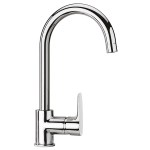
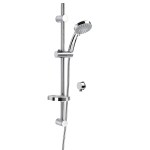
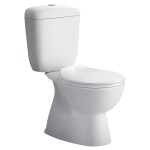
I already had the cabinets onsite as well as the tap-ware.  He’d order the timber he needed so it was just the shower and toilet I’d need to sort.  My original choices were no longer available, so I did the expedient thing and chose standard items from the local builder’s merchant catalogue.

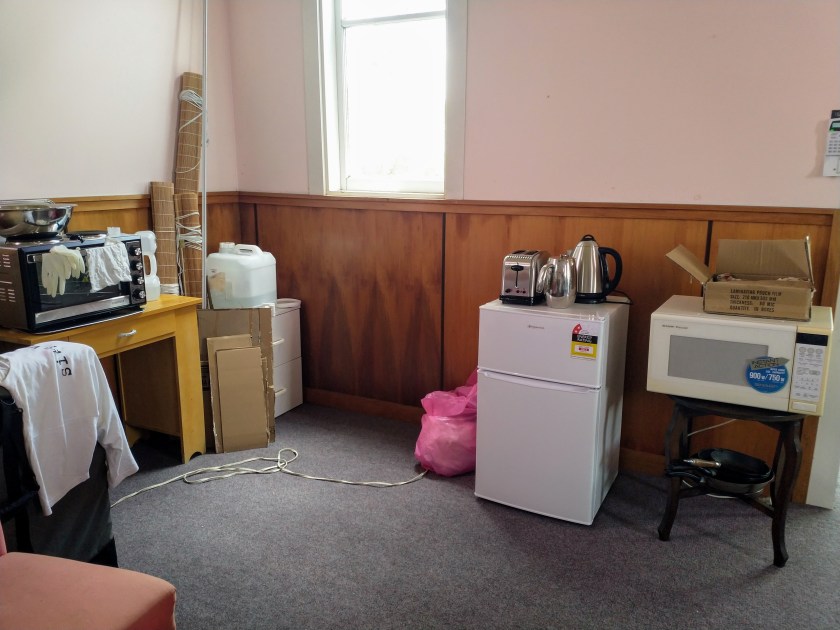
I already had a bench-top oven, electric jug, and coffee plunger on site, but decided to add a fridge and toaster to the site ‘kitchen’.  I’ve also dug out my old microwave just in case.  Note the old-fashioned bowl on the bench-top oven for washing up – but not at the same time.  Now all we need is to get water connected to the building!

22 - Site kitchen

Next time:  Driving with the whole body

Good fences make good neighbours – Robert Frost

This line is from the poem ‘Mending Wall’ by the Pulitzer Prize-winning American poet. It’s about two neighbours mending a dry-stone wall on their boundary to stop their livestock from wandering.

I never ‘got’ poetry at school – the modern stuff was too obscure for my taste. Likewise, I never got people’s need to build whacking big fences around them as a barrier. I like the fact that people use my section as part of a short-cut to the nearby Catholic church and a school.

So I was a bit concerned when my neighbours started talking about building a fence. Fortunately they were thinking of a ‘soft’ fence of plants along their boundaries. I thought that my future church-raising plans might trample all over their plants. I’ve shared my plans with them and it seems that it’s the back boundary they were keen to mark out.

And we’ll they might be! I was aware that the back section was owned by a widow living in Auckland. She had sold her adjacent chalet to a local neighbour who used the empty section as an occasional garden. Locals also used the empty section to graze their horses as there was an ‘internal’ fence across the back part of my section and the neighbour’s to the driveway. The person who had bought the chalet was keen to buy the section as well.

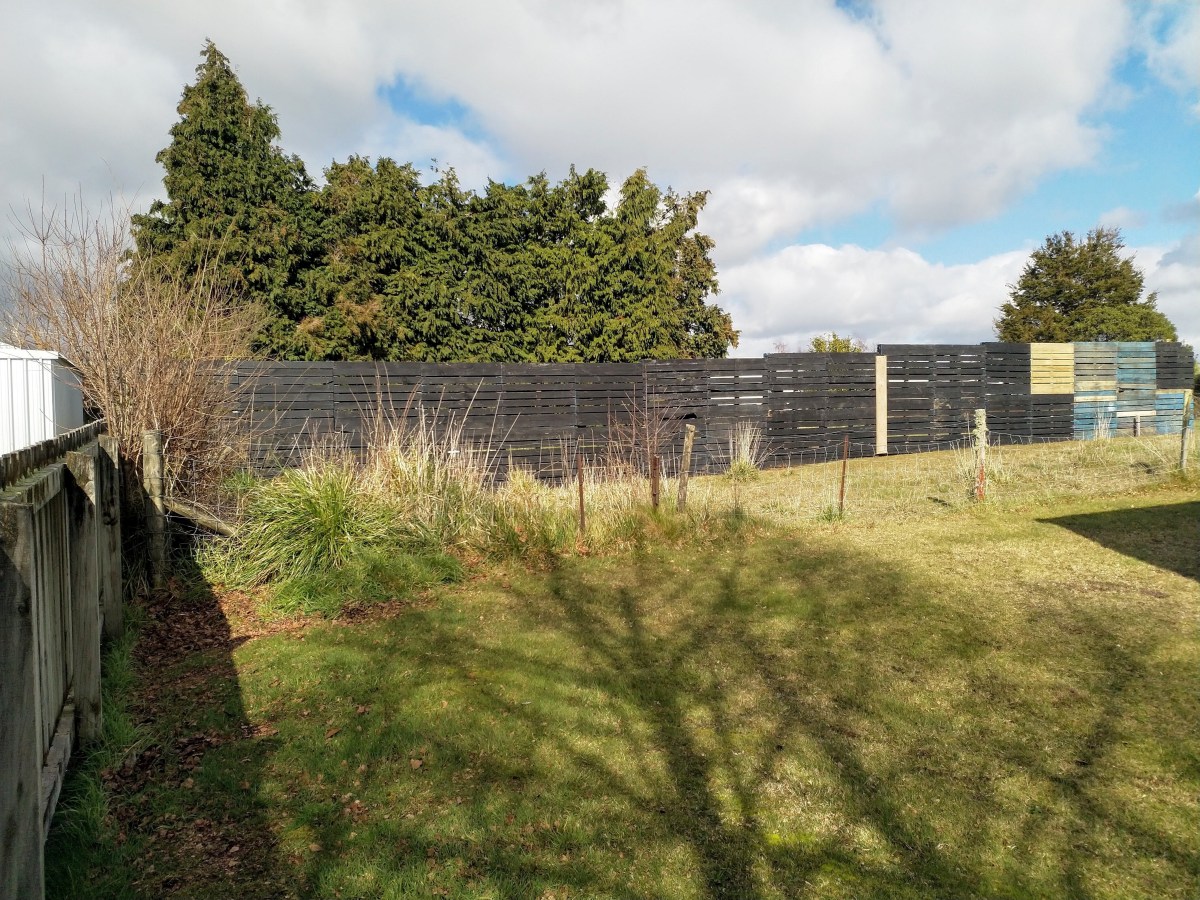
Needless to say I was a bit perturbed when I visited my church at the end of June to discover a couple of wooden pallets up-ended and hammered in next to the boundary pegs. There was a building site excavated and piles of earth and building materials on the section.

I made some inquiries and discovered that the section had been sold to the chalet-owner, and that they were planning to build a structure of some kind and fence off the section. I managed to track down someone who was able to pass on a message to the new owner who contacted me a few days later.

The conclusion of our conversation was that they were determined to build a 2m high fence out of wooden pallets on their side of our boundary, but not the boundary with my other neighbour. Needless to say I was less than impressed that the first thing I’d see when I opened my bedroom curtain was a black fence made out of old pallets. I already have an ordinary fence on one boundary, which was one too many.

They rejected outright my offer to pay for more appropriate fencing materials if they were prepared to construct it. Fortunately the Fencing Act gives me a vehicle to protect my property rights by enabling me to build a fence on the boundary. It’ll be tall enough to screen out their structure, but still give me a sense of space. It’ll also be a pretty white picket fence with pales shaped to reflect the pitch of the nave roof.

Unfortunately they rejected my proposal in the legal notice I gave them, and proposed that I pay for the materials and construction of a fence on the boundary line, or agree to them building the fence they’ve proposed. Then came the delaying tactics. They would consider my proposal if I got a proper quote and provided it to them by a certain date.

Quote duly obtained and provided, it took about three days for them to decline my proposal. No surprises there. I advised them that I would make application to the Disputes Tribunal to adjudicate on the matter, and submitted my application the following day.

Imagine my surprise when I returned to Ohakune the following weekend to find a ‘fence’ erected close to my boundary line. So close, that it’s not possible for me to build a fence on the boundary line without them moving their pallets. The picture at the top of this post is what I discovered on my return.

I made contact with the owner to discuss access to their section to allow for construction of a fence on the boundary line, and moving the pallets to allow for construction to take place. She refused to meet with me and stated that moving the pallets to allow for construction was “not happening”. So it’s off to the Disputes Tribunal we go to get a ruling on access, construction costs, and materials.

Meanwhile, I’ll get the remains of the internal fence and the tree stumps removed so that section of the lawn can be mowed and made tidy. Building a fence was going to be one of the last things I was planning to do, but now it looks like it’ll be one of the first! At least my cousin will have something to hitch her horse to if she rides over from the Rangitikei.
White picket fence

Next time: The countdown begins
As pretty as a picture

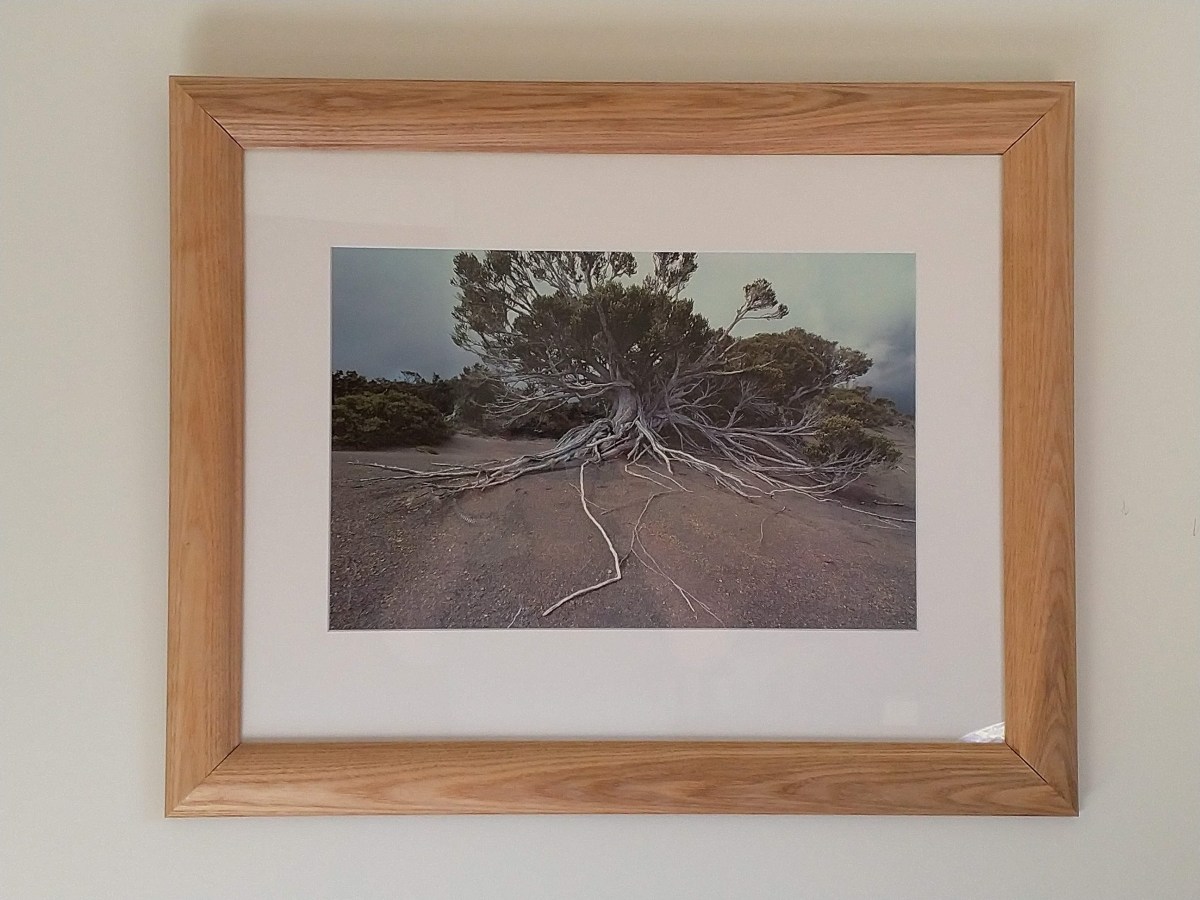
This is a photo of a photo of Olearia nummularifolia in the Rangipo Desert all framed up by my own fair hands. I now have a much deeper understanding of the costs behind those eye-watering quotes you get to have something professionally framed.

I took my 15-year-old niece with me on the hunt for lights and curtain fabrics one day. We were discussing what artworks to put up on the walls, and trying to come up with a concept that would fit in with the ethos of keeping things simple.

I developed a love of Impressionism in my teenage years from wandering around my local art gallery and studying art history in my final year of secondary school. My sense was that I needed something more local and natural than contrived for the vestry.

My first thought was photos of indigenous alpine fauna and flora. Then I remembered that someone had given me an old calendar of photos taken in the region. Perfect, I thought.

When I dug them out I realised that the photos were different orientations and sizes, so standard frames wouldn’t work. I was reluctant to invest in professional framing for mass-produced copies.  A quick online search identified a weekend picture-framing course scheduled within the next few weeks at a local art college. Fortunately they had one place left so fee paid and off I went.

The tutor was great at explaining everything and helping us with the tricky bits. Unfortunately some of the equipment was very manual.  I’d chosen chunky wooden framing timber that was prone to splitting when cutting it with the special guillotine. It felt like I spent most of the weekend cutting framing timber!

Fortunately I managed to get two pictures framed which I can hang in my current bedroom until the vestry bedroom is painted. Unfortunately I lack the patience to make a meticulous job of cutting and pinning so they’re a bit wonky! I like to think it adds to their charm.

I’ve decided to use some of the photos from the White’s Aviation series for the kitchenette. I’ll print them off as A3 and frame them in standard frames to create a bit of rhythm. That just leaves the art for the shower room to do!

Next time: Good fences make good neighbours.

Happy 100th ‘anniversary’ kirk!

12 August 2019 marks the 100th anniversary of the marriage of Ivy Horne to Ivan Croad. It was the first marriage in the new church. I still don’t know when it was opened, so this date is as good as any to celebrate!

Here’s how the wedding was reported in the Manawatu Times on 21 August:

CROAD—HORNE. On Tuesday afternoon at the Presbyterian Church, Ohakune, Mr Ivan Croad, of Ballance, Pahiatua, son of Mr H. Croad, of Palmerston, was married to Miss Ivv Horne, eldest daughter of Mr and Mrs Horne, Miro Road, Ohakune. The church had been prettily decorated for the occasion by friends of the bride. The bridal gown was of cream crepe de chene, embroidered with pearls, made with a tunic and finished with a sash of cream satin. A veil caught with clusters of orange blossoms and a shower bouquet of spring flowers completed her toilet. The bride was given away by her father, and was attended by her sisters, Misses Violet and Elsie Horne, who wore pale blue fuji silk dresses, and hat to match trimmed with tiny pink roses and black velvet ribbon strings. They carried bouquets of violets. The bridegroom’s presents to the bridesmaids were a gold curb bangle and a gold wishbone brooch respectively. Mr N. Croad, of Palmerston North, supported his brother as best man. As the wedding party left the vestry, the Rev. Mr Morton presented the bride with a Bible, as this was the first wedding in the new church. Mrs Butler presided at the organ during the ceremony and played the Wedding March. Numerous presents were received, amongst the most treasured being a silver cake basket, presented to the bride by the congregation of the church. The church was packed with the many friends of the young couple, and after the ceremony the guests were entertained at the wedding breakfast at the residence of the bride’s parents. The Rev. Mr Morton proposed the health or the bride and bridegroom, and the other customary toasts were honoured. Mr and Mrs Croad left by the afternoon train for North on route for Pipiriki and Wanganui, the bride wearing a tailor-made brown costume with saxe blue hat.

Next time:  As pretty as a picture.

Things aren’t always what they seem….

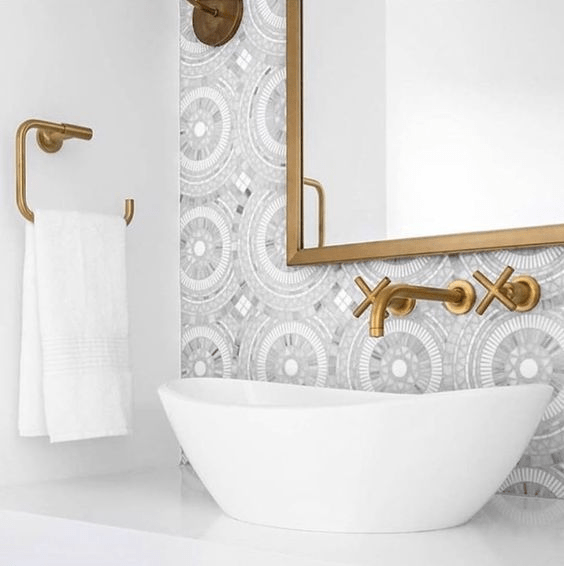
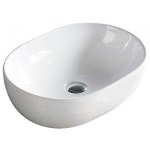
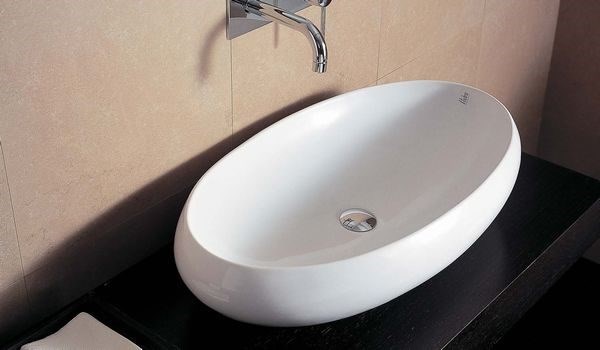
This basin image informed the overall concept for the shower room vanity. We’ve come a long way from the original concept!

I’ve previously outlined my predilection for buying stuff online. Usually it’s something that’s secondhand, but I also buy new ‘cheap and cheerful’ stuff from online retailers. I figure if it’s just got water or waste going into it then function is just important as form.

One of the builders I met in September told me about Trade Depot who provide basic items at reasonable prices. Since I’m going for the simple look I decided to use them for some of my bathroom and kitchenette products.

First up was the basin for the shower-room vanity. My niece had in mind a nice curvy vessel basin to act as a counterpoint to the rimu tongue and groove sarking, and the lines of the vanity.

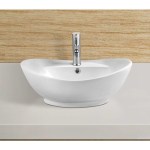
We finally settled on something that closely resembled her concept image. Then the cabinet-maker who was modifying the vanity unit alerted me to the fact that my elbows would be at ear level when I was cleaning my teeth. Not a good (or comfortable) look I thought.

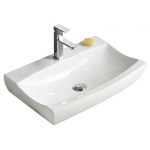
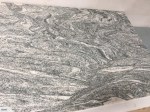
We settled on an alternative that has some curves but was about 2/3 the depth. Job done I thought. I picked it up from the store during a road trip to Auckland in January, and handed it over to my stonemason along with the granite slab I purchased at the same time.

I haven’t been in a hurry to get the granite cut, polished, and the holes for the tap and waste cut out. I figured that it was a finishing element that could be done at a later stage.

However, I’m trying to choose fabric for the shower-room blind and stool, so gave the stonemason a bit of a poke last week so that I could get a small off-cut to cart around with me. (Did I mention that the granite slab needs at least two people to manoeuvre it – it’s fecking heavy.)

Unfortunately it turns out that the sink I bought five months ago isn’t suitable as a free-standing basin. One side is an unfinished ugly terracotta colour. My stonemason contacted me to let me know so that I could get a replacement before he cut the hole for the waste.

It’s been more than a month since I bought the unit, so the supplier charges a 20% ‘restock’ fee. I have to pay to have it couriered to Auckland, take a loss on my original purchase price, as well as paying full price on a replacement item.

Note to self: take stuff out of boxes and check it when your receive it.

I’m currently mulling over a few options. Plan B is to source something locally and take the hit on the original item.

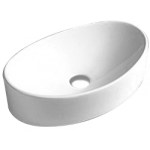
Danik Art basin

The preferred third option is out of stock, so we’re now going with this number!

Next time: A view from above

The search for a builder begins

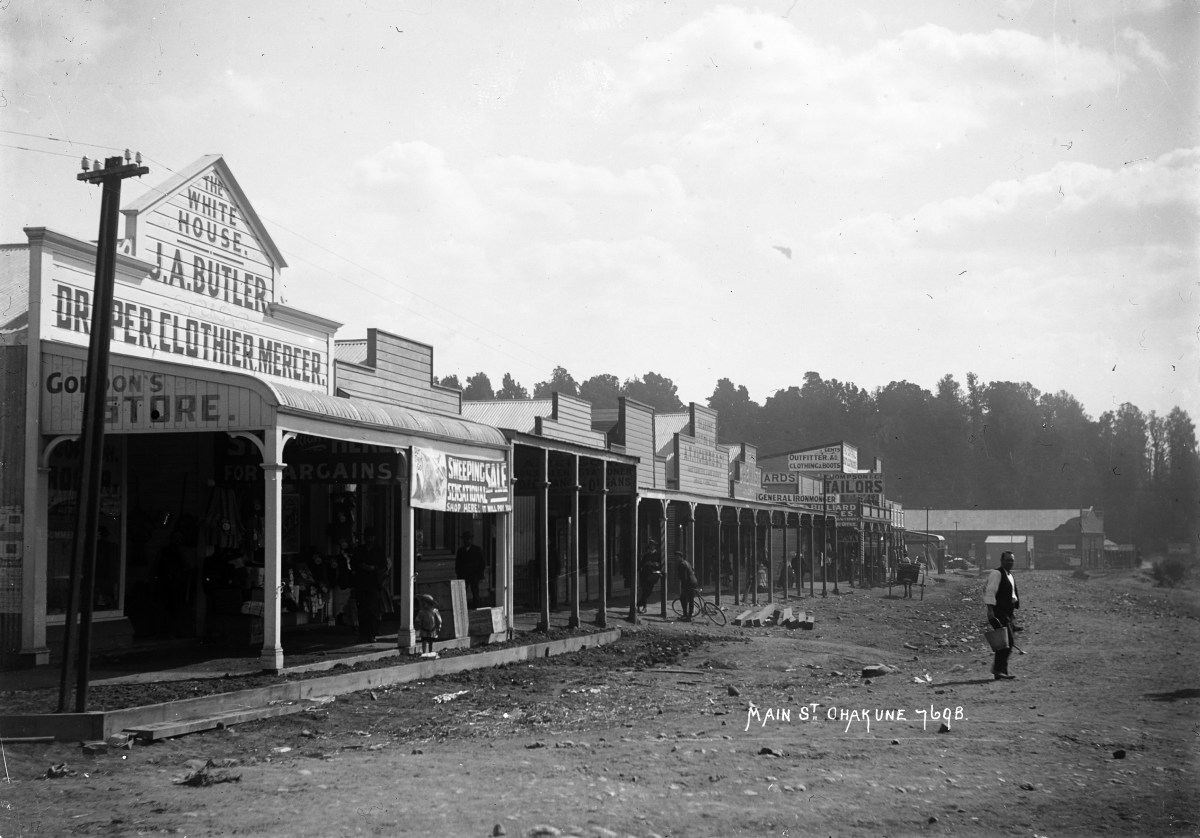
There’s been a lot of construction in Ohakune over the years.  This photo taken c1910 shows some construction work underway.  I wonder if the guy with the bucket is a LBP?

I met with a number of builders the first month after taking possession, but needed to get building consent approved before I could get pricing from them.  The delay has coincided with an upturn in construction in the district.  Good builders are very busy as I discovered when I sent my plans and requirements out for indicative pricing:

  • Option A doesn’t want to take on a renovation project
  • Option B isn’t available until April
  • Option C isn’t available for 18 months
  • Option D isn’t available until after Christmas
  • Option E is about to start a nine-month job
  • Option F hasn’t got back to me with pricing
  • Option G isn’t returning my messages

I need to get my first building inspection completed by early-January, otherwise I have to re-apply for building consent.  I knew it wouldn’t be easy, but I didn’t think it’d be this much of a challenge!

Next time:  Things aren’t always what they seem

Cleanliness is indeed next to godliness (John Wesley – 1791)

One of my design aesthetics is for the building to look as though it could be returned to it’s previous use without undoing all of the new elements.  The vestry was the area where the minister would get into their robes (vestments) prior to a service.  It was also used as an office for meetings.

For phase one of the conversion, I’m turning this area into a shower-room, kitchenette, and bedroom.  The bedroom and kitchenette are relatively straight-forward.  The shower-room is where most of the design and construction challenges lay.

There’s no water or sewerage connections to the church, so the nearest toilets were attached to the back of the church hall next door.  (I still have the tags that were on the keys for each toilet.)  The nearest available toilets are now at the park around the corner in Conway Street – a bit inconvenient.  Boom tish!

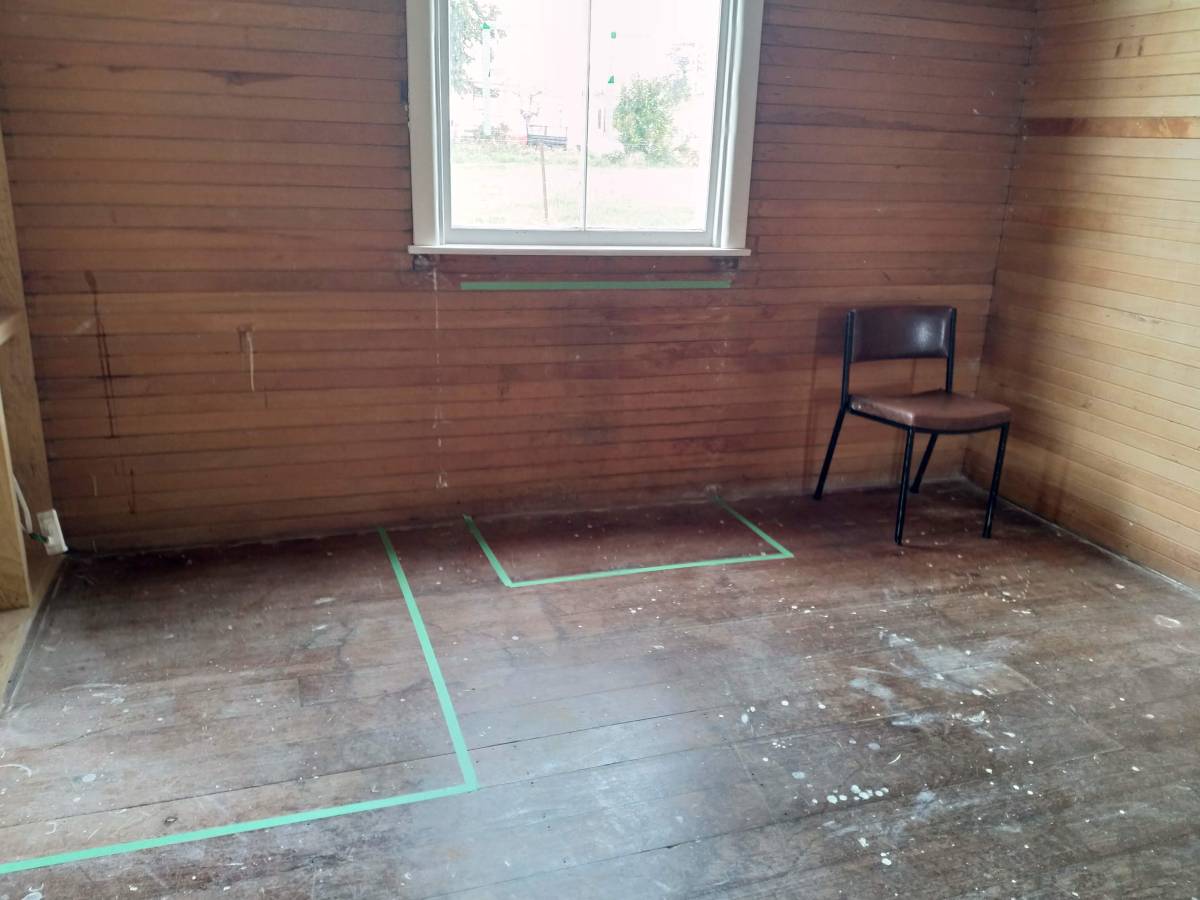
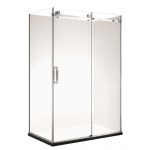
The new layout will see the shower to the left of the window, vanity straight ahead, and toilet to the right of the window.  I have a thing about noise so the toilet is as far away from my bedroom as possible!  I’ll also be using sound-deadening plasterboard to keep the noise levels down.

One of the early layout designs I was given had the vanity squished in next to the shower so that there was wall space for a mirror above it.  I’m not that vain!  Nor am I an exhibitionist.  As the locals have a tendency to use the grounds as a short-cut I’ll be putting a mirrored finish on the bottom half of the sash window for modesty purposes……………

I like good design but that comes at a cost.  I’ve opted for bog-standard things like the hand basin, shower, and toilet which I’ll source from Trade Depot or TradeMe.  The vanity cabinet is coming from BespOak NZ and the granite top is secondhand.  However, I’ve struggled to find basin and shower mixers that I like.

Well, that’s not quite true.  I have found a brand of mixers that I like but the prices are eye-watering!  I’ve opted for an Italian brand priced between the cheap-and-cheerful Australian and well-engineered German products.  No surprises there.

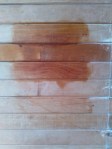
Yet-to-be-resolved is what type of oil finish to apply to the rimu sarking on the walls and ceiling.  My choices are an interior oil that gives a milky-white finish, tung oil, and danish oil.  I also need to decide whether or not to install a glass panel above the shower-room door to let more light into the kitchenette.  What do you think?

Next time:  The end of an era